In the mysterious imagery of the book of Revelation, one phrase stands out for its depth and symbolism: the 7 Spirits of God. Mentioned several times throughout the text, this expression has sparked curiosity and debate among scholars and believers alike. But what is meant by the 7 Spirits of God, and why does it matter?
Browse Content
Far from referring to seven separate beings, the phrase represents the fullness and perfection of the Holy Spirit. In Scripture, especially in apocalyptic literature, the number seven often symbolizes completeness. Therefore, the “seven Spirits” reflect the manifold attributes and operations of the Spirit of God, perfectly unified and present throughout all of God’s work.
This concept invites readers to dive deeper into the spiritual richness hidden within Revelation’s symbolism. What does it reveal about the nature of God? How should we interpret it in light of Old Testament prophecy, particularly Isaiah 11:2? And more importantly, what impact does this understanding have on our spiritual walk today?
Keep reading as we explore these questions and uncover the layers of meaning behind this powerful biblical phrase.
what is the seven spirits of god in revelation
The phrase the 7 Spirits of God is found four times in the book of Revelation, each instance offering unique insight into the role and presence of the Spirit in God’s eternal plan. These mentions are not random; rather, they serve to emphasize divine completeness and the omnipresence of the Spirit throughout heaven and earth.
- Revelation 1:4 – The first appearance comes as part of a greeting from “him who is, and who was, and who is to come,” alongside the seven Spirits before His throne. Here, the seven Spirits symbolize the fullness of God’s presence in the divine throne room, establishing the Spirit’s role from the very beginning of the vision.
- Revelation 3:1 – In the message to the church in Sardis, Jesus is described as the One who “has the seven Spirits of God and the seven stars.” This reinforces Christ’s authority and His intimate relationship with the complete work of the Spirit, highlighting the Spirit’s involvement in both judgment and restoration.
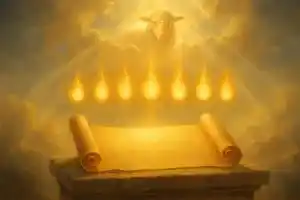
- Revelation 4:5 – John sees “seven lamps of fire burning before the throne, which are the seven Spirits of God.” The fiery lamps represent the Spirit’s illuminating and purifying power, always active in the presence of God.
- Revelation 5:6 – Perhaps the most striking reference, this verse describes the Lamb having “seven eyes, which are the seven Spirits of God sent out into all the earth.” This depiction emphasizes the Spirit’s omniscience and global mission, revealing that nothing escapes His vision or influence.
Through these verses, it becomes evident that the “seven Spirits” are not isolated figures but represent the comprehensive, all-encompassing presence of the Holy Spirit, wise, watchful, and active both in heaven and across the world. This is a powerful clue for understanding what is meant by the 7 Spirits of God and their ongoing relevance in the biblical narrative.
Read also our article about God Speaks to Us in Dreams and Visions Bible Verse.
How Many Spirits Are There According to the Bible?
When asking how many Spirits are there according to the Bible, it’s essential to look beyond a purely numerical answer and consider the symbolic richness behind the language of Scripture. Although the Bible teaches that there is one Holy Spirit, it also presents this Spirit in diverse forms and expressions—especially when it uses the number seven.
In biblical symbolism, the number seven consistently signifies fullness, completion, and divine perfection. This meaning is crucial to understanding what is meant by the 7 Spirits of God. Rather than indicating multiple individual spirits, the phrase reflects the complete and perfect nature of the Holy Spirit and His multifaceted work.
A key passage that illuminates this idea is Isaiah 11:2, which lists seven attributes of the Spirit that would rest upon the coming Messiah:
- The Spirit of the Lord
- The Spirit of wisdom
- The Spirit of understanding
- The Spirit of counsel
- The Spirit of might
- The Spirit of knowledge
- The Spirit of the fear of the Lord
These seven expressions form the theological basis for interpreting the 7 Spirits of God” not as separate entities but as the sevenfold manifestation of one Spirit, completely wise, powerful, and present.
Understanding this structure helps us grasp the deeper message Revelation conveys. It emphasizes that the Holy Spirit is not limited in scope or function. On the contrary, He operates in total unity and perfection, equipping believers with all they need to live faithfully in a world of spiritual complexity.
Read also our article about What does the Bible say about talking to the dead.
What Does the Lampstand Symbolize in Revelation?
In the book of Revelation, symbols carry profound meaning, and few are as vivid and spiritually charged as the lampstand and the imagery of fire and eyes. These symbols are closely connected to the 7 Spirits of God, and they reveal deep truths about the Spirit’s role and presence in both heaven and earth.
In Revelation 4:5, John writes, Before the throne were seven lamps of fire burning, which are the seven Spirits of God. Here, the lampstand doesn’t represent a physical object alone; it serves as a picture of divine illumination and spiritual presence. The lamps of fire signify the Holy Spirit’s purity, holiness, and enlightening power, always burning before God’s throne. Fire in Scripture often symbolizes God’s presence (Exodus 3:2; Acts 2:3), and in this context, it highlights the Spirit’s active role in revealing truth and purifying hearts.
Another key image appears in Revelation 5:6, where the Lamb is described as having “seven eyes, which are the seven Spirits of God sent out into all the earth.” This symbolic language reveals the omniscience and omnipresence of the Holy Spirit. The seven eyes portray divine vision, seeing all things, knowing all hearts, and being fully aware of everything happening across the earth.
Together, the lampstand and the seven eyes paint a powerful portrait: the Spirit of God is not passive or distant. He is vividly present, always active, illuminating, searching, and empowering. These images offer crucial insight into what is meant by the 7 Spirits of God not separate beings, but a complete, ever-watchful Spirit working in perfect unity with the Father and the Son.
Understanding this symbolism deepens our reverence for the Holy Spirit and reminds us that nothing escapes His light or gaze.
Why the 7 Spirits of God Still Matter Today
In a world filled with uncertainty, spiritual confusion, and the constant noise of competing voices, the image of the 7 Spirits of God remains deeply relevant. Far from being a symbolic detail locked within ancient prophecy, this biblical concept carries practical and spiritual significance for believers today.
Understanding what is meant by the 7 Spirits of God reminds us that the Holy Spirit operates in fullness, not limited by human constraints, denominational divisions, or cultural shifts. The sevenfold description points to a Spirit who is perfectly wise, deeply discerning, eternally present, and actively involved in the lives of those who seek Him.
In our prayer lives, this truth invites us to approach God with greater confidence. We don’t pray to a fragmented force, but to the complete Spirit of God who understands our weaknesses, reveals divine wisdom, and strengthens us with might.
In our daily walk of faith, the awareness of the Spirit’s fullness challenges us to live with spiritual clarity. The Spirit of wisdom and understanding helps us make godly decisions; the Spirit of counsel and might empowers us in times of hardship; the Spirit of knowledge and fear of the Lord keeps us grounded in truth.
Moreover, in our Christian worldview, embracing the sevenfold Spirit encourages us to see beyond superficial faith. It calls us into deeper communion with the One who sees all, refines all, and leads with perfect knowledge.
Ultimately, the 7 Spirits of God remind us that we are never alone. We are guided, equipped, and embraced by a complete and holy Spirit who empowers us to reflect God’s presence in the world.
Connecting Biblical Symbols to Today’s Life
Symbols in the Bible are not meant to remain abstract or locked in the past. They carry timeless truths, often revealing deeper layers of God’s character and His relationship with humanity. The 7 Spirits of God, though rich in prophetic and apocalyptic imagery, offer a profound connection to the practical aspects of our daily lives.
Understanding what is meant by the 7 spirits of god helps believers recognize how God’s Spirit operates with fullness in the world today. The sevenfold nature of the Spirit reflects balance, completeness, and divine presence, qualities we long for as we navigate decisions, challenges, and spiritual growth.
- When we seek wisdom in difficult choices, we can rely on the Spirit of wisdom and understanding.
- In moments of weakness or exhaustion, we are not abandoned; the Spirit of might strengthens us.
- When truth seems relative, the Spirit of knowledge and fear of the Lord anchors us in God’s unchanging Word.
Even beyond theology, these attributes of the Spirit shape how we parent, lead, build relationships, and respond to the world’s brokenness. They invite us to live with spiritual depth, not driven by fear or chaos, but guided by a Spirit who is fully present, fully capable, and fully invested in our lives.
The beauty of biblical symbols like the 7 Spirits is that they speak to the heart as well as the mind. They offer not only knowledge but transformation, reminding us that God’s Spirit isn’t distant or symbolic only. He is active, personal, and available every day to those who seek Him.